

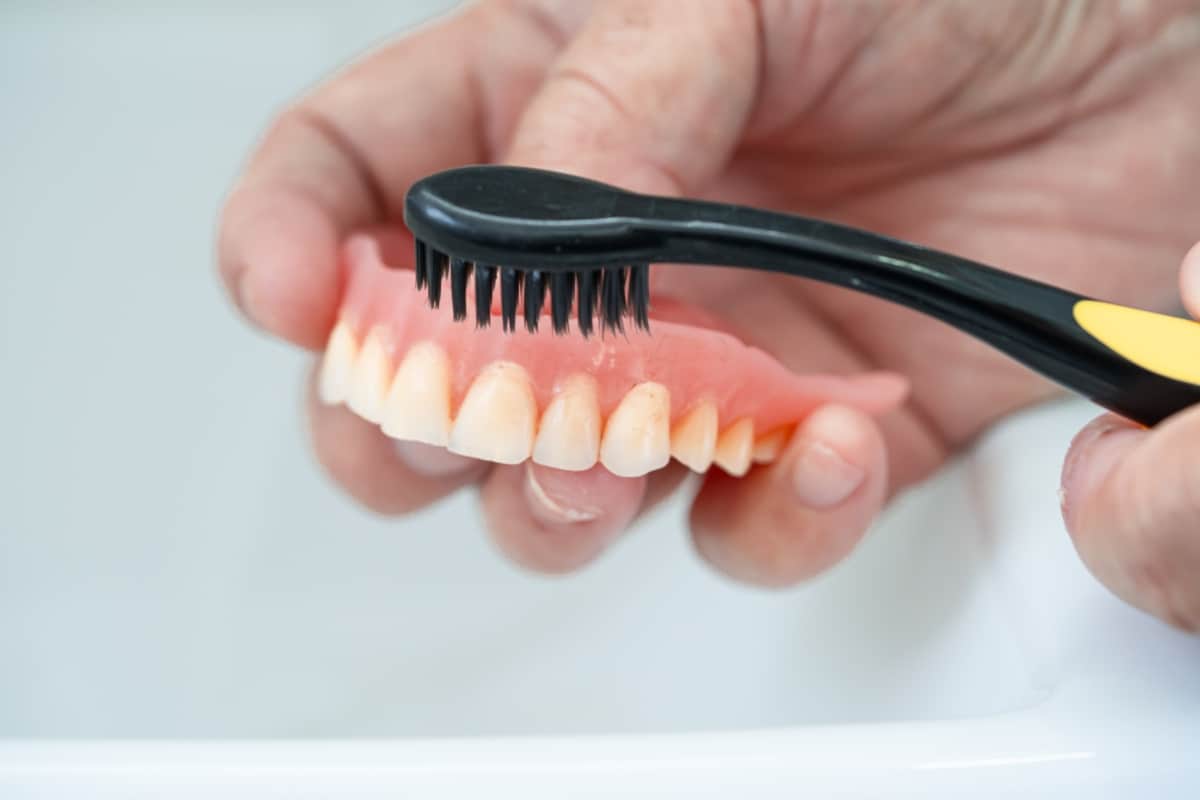
Proper denture care is essential to maintaining good oral health and avoiding complications. Improper denture cleaning can lead to harmful bacteria buildup, causing infections, bad breath, and even damage to gums. Understanding the proper cleaning habits is crucial if you or a loved one relies on dentures. If you are seeking expert support for restorative dentistry Ludington, understanding the right cleaning habits is the first step.
Why Proper Denture Hygiene Matters For Oral Health?
Dentures create a new surface in your mouth where food particles and bacteria can easily accumulate. These bacteria can cause gum irritation, infections, and foul odors without thorough cleaning. Additionally, improperly cleaned dentures might develop cracks or discoloration, reducing their lifespan. Maintaining excellent hygiene protects your investment and keeps your mouth healthy.
Common Denture Cleaning Errors To Avoid
Many people unknowingly practice denture maintenance techniques that compromise their oral health. Here are some frequent mistakes encountered by dentists:
- Using regular toothpaste: Regular toothpaste is abrasive and can scratch the denture material. These scratches attract bacteria and food debris.
- Soaking dentures in hot water: Extreme heat causes dentures to warp, making them uncomfortable and ill-fitting.
- Skipping daily cleaning: Neglecting daily hygiene allows plaque accumulation, increasing the risk of infections such as stomatitis.
- Brushing with hard-bristle brushes: Hard brushes can damage the surface, whereas soft-bristle brushes clean effectively without causing harm.
- Ignoring professional check-ups: Routine dental exams, conducted under the supervision of Lakewinds dentists, help monitor denture fit and oral tissue health.
Best Practices For Safe And Effective Denture Cleaning
Proper denture hygiene is easy to follow once you know the steps. Here’s a simple routine:
- Rinse dentures after meals: This removes loose food particles and prevents buildup.
- Use a soft brush and gentle cleanser: Specially formulated denture cleansers are recommended over regular toothpaste.
- Soak dentures overnight in the recommended solution: This kills bacteria and keeps dentures moist, preserving their shape.
- Avoid using bleach or harsh chemicals: These substances can damage denture materials and irritate oral tissues.
- Clean your gums and tongue: Before inserting dentures, brush your gums, tongue, and palate to eliminate bacteria.
Long-Term Risks Of Improper Denture Care
Neglecting proper denture hygiene can lead to more than just discomfort—it may significantly impact your long-term oral and overall health. When dentures are not cleaned thoroughly and regularly, bacteria and plaque accumulate, increasing the risk of chronic bad breath and gum infections.
In older adults, poor hygiene for dentures has also been linked to a higher likelihood of respiratory conditions such as pneumonia, due to inhaled bacteria.
Over time, the lack of proper cleaning can contribute to bone loss in the jaw, causing dentures to loosen and fit poorly. These issues not only affect your comfort and ability to eat or speak but may also lead to more serious oral health complications. If you are experiencing these symptoms, seeking restorative dentistry Ludington can help restore function and protect your long-term well-being.
How Can Restorative Dentistry Support Your Denture Care?
At our clinic, our dentist views denture care as a partnership with our patients. According to the American Dental Association (ADA), dentures should be cleaned daily with a non-abrasive cleanser and removed at night to maintain oral tissue health. Restorative care also helps manage bone loss and supports better chewing function by making timely adjustments, assisting patients to maintain a stable, functional smile.
FAQs: Denture Cleaning Mistakes
1. Can I use mouthwash to clean my dentures?
Only use alcohol-free mouthwash to avoid drying or damaging the denture material. Alcohol-based rinses can weaken dentures and irritate your mouth tissues over time.
2. How often should I clean my dentures?
Clean your dentures daily with a soft brush and soak them overnight. Rinse them after meals to remove food debris and prevent plaque buildup and odor.
3. What happens if I do not remove my dentures at night?
Wearing dentures overnight can cause gum irritation, bacterial buildup, and fungal infections. Removing them allows your tissues to rest and reduces the risk of oral complications.
4. Is it safe to use baking soda on dentures?
Baking soda is abrasive and can scratch denture surfaces, leading to bacterial buildup. It is best to use non-abrasive denture cleansers recommended by dental professionals.
5. How do I know if my dentures are not fitting properly?
Signs of poor fit include soreness, difficulty chewing, clicking sounds, or slipping. If you experience these, visit your dentist for a professional adjustment or replacement.
6. Can I clean my dentures with vinegar?
Diluted vinegar may help remove tartar and stains, but should not replace daily brushing or soaking. Always follow your dentist’s care instructions for safe, effective cleaning.
Keeping Your Smile Healthy
Proper denture cleaning is key to avoiding oral health problems and maintaining comfort. However, avoid abrasive products and hot water, and practice daily gentle cleaning. Your oral health matters, and regular visits with our skilled Lakewinds dentists ensure your dental appliance functions smoothly and your gums stay healthy.
If you have concerns or want personalized advice, schedule your quick consultation today. Contact our dental clinic and protect your smile and enjoy the benefits of restorative dentistry Ludington. Good denture hygiene starts with simple, informed steps. So, let us help you master them for a lifetime of confident smiles.